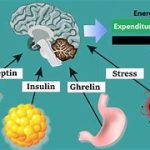
Treating Leptin Resistance : If you find yourself constantly craving food, leptin resistance could be to blame. Leptin is produced by your fat cells to tell your brain when you’ve had enough.
Eating healthily, sleeping enough and exercising regularly are all powerful ways to combat leptin resistance. Anti-inflammatory foods and fermented products may also help improve digestive and metabolic function, potentially increasing leptin sensitivity over time.
Medication
Many obese individuals have elevated leptin levels, particularly due to an unhealthy Western diet and insufficient physical activity. Unfortunately, however, their bodies don’t get the message when they are full – making them resistant to leptin’s effects and keeping them gaining weight – an unfortunate reality that is part of why obesity has become such a public health problem in America. But don’t despair as there are things you can do to overcome leptin resistance and shed extra weight!
One way to reduce leptin levels is through eating a healthy, low-calorie diet. Finding an appropriate balance may take time; working with a dietician or nutritionist could help guide you toward making wise choices for your health.
An alternative method of decreasing leptin resistance is taking medication that will increase brain sensitivity to leptin. A recent study demonstrated how compounds which altered receptors to recognize leptin could decrease fat storage in the body and facilitate weight loss. Researchers conducting this research at an endoplasmic reticulum (ER), which processes proteins into their proper shapes, found certain chemicals could enhance its functionality while also decreasing stress responses caused by endoplasmic reticulum dysfunction.
Lowering leptin resistance has other advantages as well, including decreasing inflammation that contributes to cardiovascular disease, type 2 diabetes and arthritis. Reduced inflammation also has been shown to strengthen immunity – helping the immune system combat infections and cancerous tumors more effectively.
Metreleptin, a leptin replacement therapy, has proven its efficacy for those suffering from very rare inherited lipodystrophy and for some with generalized HIV infection-induced lipodystrophy. Importantly, however, Metreleptin is only available through a restricted program and should only be taken under physician guidance, with regular blood tests to monitor for adverse side effects such as seizures.
Diet
Leptin resistance may be reversed with time and lifestyle adjustments. Eating healthy, low-processed food and exercising regularly are effective in improving our bodies’ ability to process leptin. Over six to twelve months, these changes should lead to increased energy and restful sleep as well as weight loss, reduced hunger and decreased carb cravings.
Leptin resistance can occur when people continue to feel hungry after having eaten enough food to fill their bellies, even after having taken in enough calories through diet or food supplements. According to studies, this resistance could be related to disruptions in the hypothalamus; additionaly, high intakes of sugars and saturated fats can interfere with signaling of this hormone.
Diet is one of the best treatments for leptin resistance, as it helps increase protein and decrease carbohydrates (which stimulate insulin and lead to increased fat storage) (Lowette, 2009). A person should switch away from processed food and beverages high in sugar while eating more whole grains, fruits vegetables and protein sources like nuts. Slow down when eating; eating slowly takes 20 minutes for your hypothalamus to recognize fullness! Additionally, avoid carbohydrates as much as possible as this causes more fat storage (Lowette 2009).
Diets low in triglycerides may also help. Triglycerides can be found in some saturated fats and block the body’s response to leptin signals (Kleinridders, 2012).
Additionally to dietary modifications, exercise should also be a part of an individual’s treatment. Starting off slowly by walking or jogging for example can help, gradually increasing intensity as time progresses. Exercise also helps control appetite; eating eggs for breakfast has been shown to lower levels of the ghrelin hormone and therefore regulate appetite levels.
Treating leptin resistance can be challenging and may take years for full effects to be felt, but individuals can make positive dietary changes to reverse it and get back on track with their weight and health goals. If these efforts don’t lead to weight loss and improvements, consult a doctor for additional options.
Exercise
Leptin, produced by fat cells and transported through blood to your brain via the bloodstream to regulate metabolism and signal whether you’re hungry or full, plays an essential part in weight management. Unfortunately, in some individuals it doesn’t function correctly – known as leptin resistance – leading to uncontrollable hunger and obesity. But don’t despair: eating healthily and exercising regularly will improve your ability to hear leptin messages more clearly!
Leptin hormone levels vary throughout the day, with higher concentrations at night and decreased levels during the day. Leptin release also depends on body fat composition; obese people typically experience increased leptin concentrations than non-obese individuals. A blood test that measures leptin concentration can help determine if someone is resistant to its influence and requires steps to improve response to it.
Researchers don’t yet fully understand what causes leptin resistance, but excess body fat is certainly one of the risk factors. One reason leptin levels tend to rise in obese individuals is likely related to their bodies altering multiple cellular processes that impede normal leptin signaling; these processes include food palatability and reward changes which disrupt normal signaling between neural pathways controlling caloric intake.
Example: When hungry and your leptin levels are elevated, you tend to crave highly palatable foods like sweets and fat-rich “junk food”. As soon as you consume such items, your leptin levels continue to increase further causing even more food consumption. Furthermore, having too much belly fat may increase ghrelin levels which promote hunger and cravings further.
As well, elevated free fatty acids and inflammation have been shown to interfere with leptin receptors in the hypothalamus, leading to leptin resistance – factors often present among obese individuals – further contributing to leptin resistance and ultimately leading to obesity over time.
Healthy nutrition and exercise are vital in restoring a normal response to leptin; however, finding the appropriate balance of these interventions for leptin resistance may prove challenging.
Resolve
When your body detects too much leptin in your bloodstream, your brain receives the message to stop eating – this may result in anorexia for some or weight gain for others. Leptin resistance may be reversed through diet and exercise alone – key elements in doing so being an active lifestyle and healthy diet.
As you lose weight, leptin levels typically decline; however, those who are resistant to leptin may become insensitive to it and thus experience greater hunger and cravings for fat-containing foods.
Leptin must traverse the blood-brain barrier to reach your hypothalamus in order to influence appetite and energy balance, and researchers have discovered that as obesity rises, its transporter protein becomes less effective at getting leptin through to reach its destination in your hypothalamus.
The exact cause is still not entirely understood, but it is thought to be related to changes in cellular processes associated with obesity. One possibility suggests that elevated fatty acids may block leptin transporter protein which then interferes with signaling that tells your brain when to stop eating.
Leptin resistance may also be caused by an issue within the hypothalamus, likely associated with an altered gene expression pattern that renders the hypothalamus incapable of responding appropriately to signals coming from within the body, thus making controlling food intake and energy balance impossible.
Other causes of leptin resistance may include genetic mutation, hyperthyroidism, certain medications and certain cancers – in particular breast cancer is often prevalent among overweight women due to leptin helping promote tumor growth and inhibit the efficacy of hormonal treatments for breast cancer in these cases.
Reversing leptin resistance typically takes between 6 and 12 months, depending on each individual and their willingness to adapt their lifestyle and diet. After this time has passed, individuals should experience improved energy, sleep quality and reduced carb cravings as well as an regulated appetite – plus feel full after meals without needing to snack frequently during the day.
How To Fix Leptin, How To Get Rid Of Leptin, How To Reduce Leptin, How To Treat Leptin Deficiency, Is There Medication For Leptin Resistance, Treating Leptin Resistance, Treating Leptin Resistance Naturally